Keeping a pet diary: a simple routine for daily observations
Key facts
- A pet diary is a dated record of care and observations that helps you answer your vet's questions about when a change began and how often it happened.
- Describe what you saw, such as 'ate half of dinner', rather than naming a suspected disease.
- Maggie's Journal logs pee, poop, vomit and water, or a type you name yourself, with optional tags, an amount and a note.
- Meals, walks, weight, photos and medicines are their own dated entries on the same timeline.
- A diary cannot show that a change is harmless. Contact your vet about medical concerns instead of waiting to build a longer history.
On this page
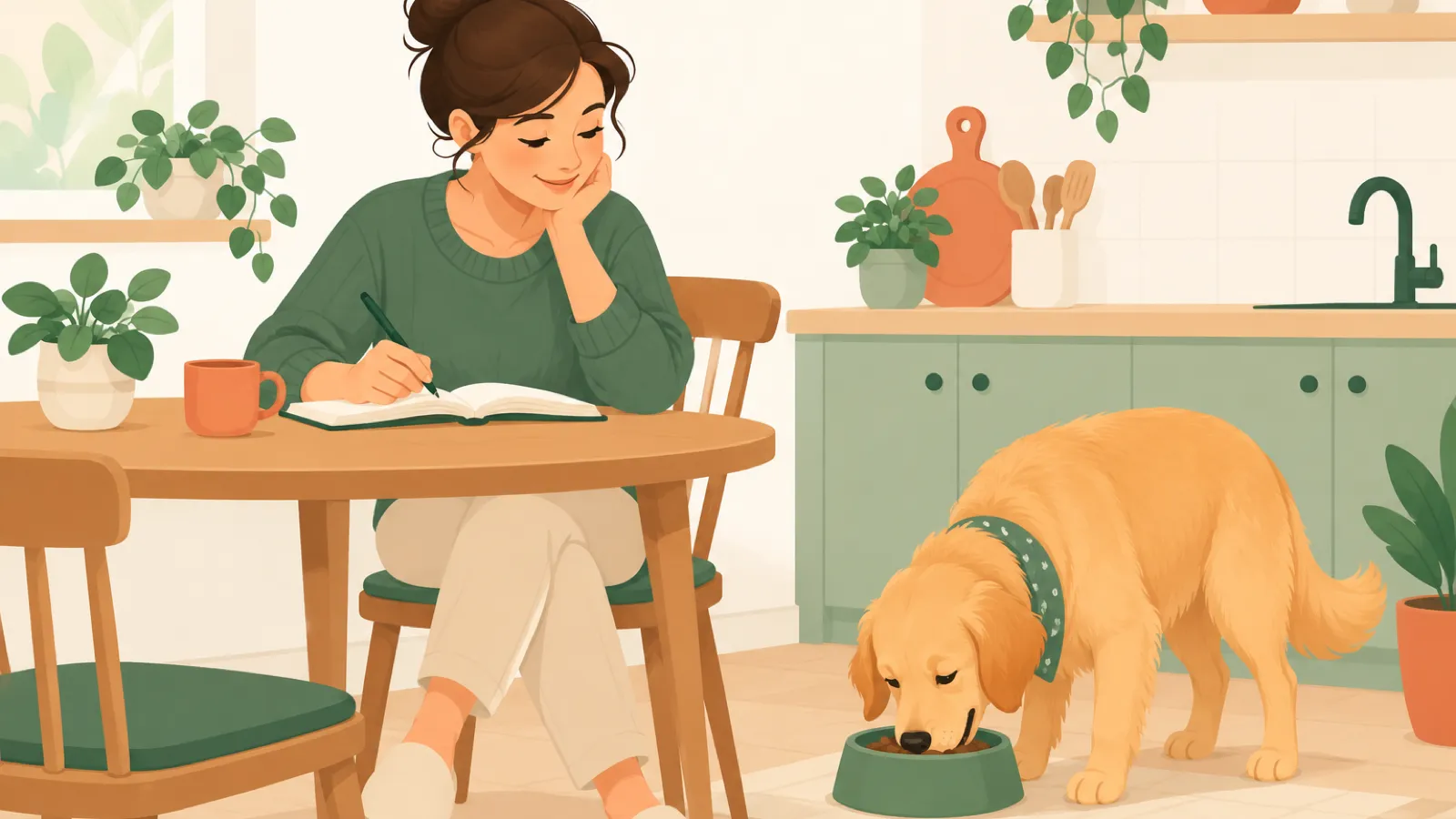
A pet diary is a dated record of what your dog ate, drank, did and how they seemed. It gives you real answers when your vet asks “when did this start?” and “how often?”. Start with one short note a day that you can keep up, rather than trying to write a medical report. Describe what you saw, not what you think it means.
What is worth logging
Choose the details that matter for your dog and anything your vet has asked you to watch:
- Food: what was offered and roughly how much was eaten. Note a change in diet or treats.
- Water: roughly how much, if you can measure the bowl, and anything unusual.
- Toilet habits: pee and poop, and what you saw, such as loose stools or straining.
- Vomiting: when, and what it looked like.
- Walks and activity: how long, and how your dog seemed.
- Medicine: the actual treatment and the date and time it was given.
- Weight: the number when you take it, always in the same unit. Our body condition score guide shows what to check alongside it.
- Photos: a dated image with a short caption. Different lighting or angles can make comparisons misleading.
Describe observations without naming a suspected disease. If your vet has asked you to monitor a specific concern, follow their instructions about what to record and when to contact them.
A simple daily routine
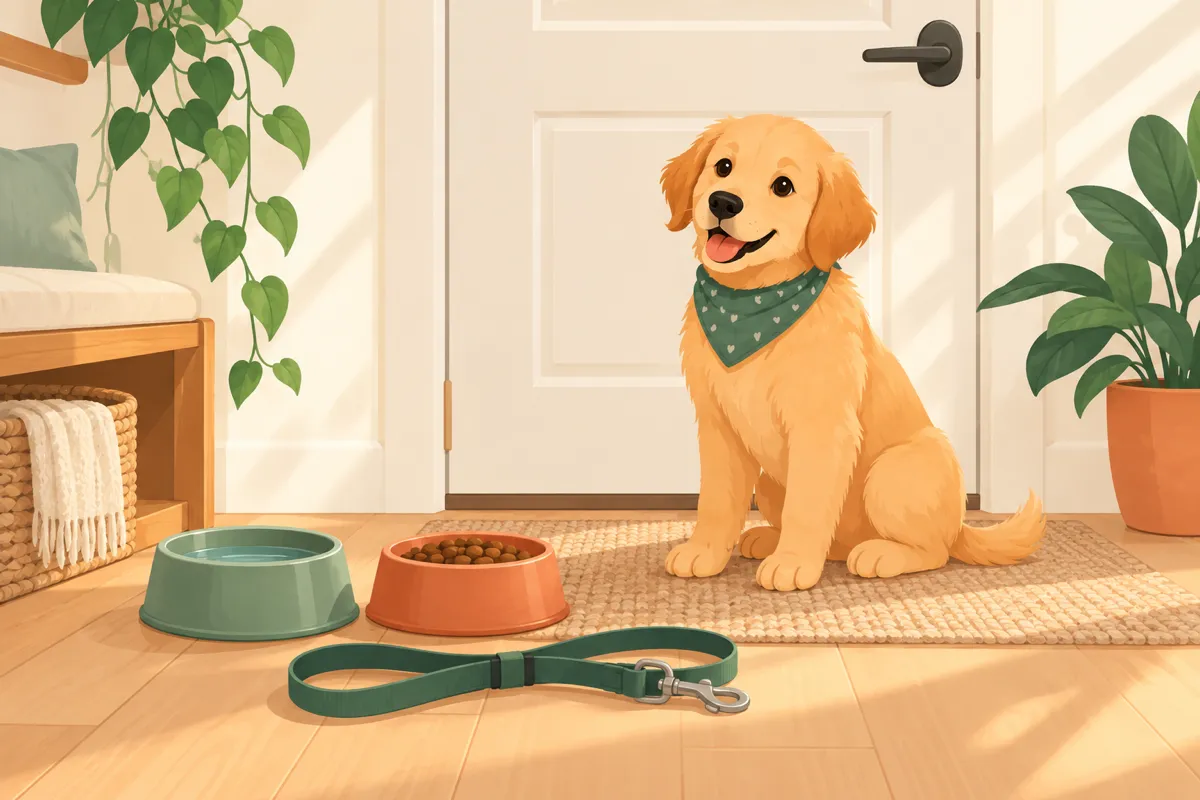
You do not need to log everything every day. A rhythm like this takes a couple of minutes:
| When | What to note |
|---|---|
| Morning | Breakfast eaten, first pee and poop, water bowl filled |
| After a walk | How long, and anything unusual |
| Evening | Dinner eaten, any medicine given, how your dog seemed |
| Once a week | Weight, if you are tracking it |
| Any time | Something new, with the time you noticed it |
On an ordinary day, “all normal” is a useful entry too. It shows when things were fine, which helps date a change later.
A simple example entry
“3 October, 7:30 pm. Ate about half of dinner. Walked for 15 minutes. New treats introduced yesterday. Question for the vet: what should I keep noting about appetite?”
This is an example of a note, not advice to wait or an interpretation of symptoms. A diary cannot establish that a change is harmless. Contact your vet about medical concerns instead of waiting to build a longer history.
When to stop logging and call the vet
A diary helps you describe a problem. It is not a reason to wait. For example, the vet charity PDSA advises that you contact your vet immediately if you see blood in your dog’s vomit, and to call for advice if vomiting continues. Its page on diarrhoea in dogs lists signs that need a vet sooner, such as blood in the stool, low energy or a painful stomach. If your dog seems unwell, call first and log later.
Keep the routine manageable
Use the actual date and time when you can. If you are adding something later and do not remember the time, say so rather than inventing precision. A brief concrete entry is more useful than a detailed entry you never finish.
Before an appointment, pick out when the concern started, how often it happened and any recent changes. Keep a list of questions with those dates. Keep original clinic instructions and documents too.
Keep observations beside care records in Maggie
Maggie’s pet diary app has a Journal for the small things that add up:
- Journal logs for pee, poop, vomit and water, or a type you name yourself. Each can carry tags (for example loose, hard or blood for poop, and bile, food or foam for vomit), an optional amount and a note.
- Journal notes: a free-text note about what you noticed, with an optional photo.
- A daily tally, so you can see today’s count at a glance.
- Meal, Walk, Weight, Photo and Medicine entries, each dated, on the same timeline.
Everything sits beside vaccination records and medication logs and reminders, so you can review a care history before the appointment. Entries save on your phone and work offline. We explain why that matters in why offline-first matters.
Free supports every pet. Paid plans add cloud backup and sync across your own devices, and Pro includes household sharing. Caregivers need to sync before changes made on another phone appear. See the plan details for available plans.
A diary records what you observed. It does not diagnose your dog or replace your veterinarian’s assessment.
Frequently asked questions
What should I write in a dog diary?
Write the date and time, then what you saw: food eaten, water, toilet habits, walks, any vomiting, medicines given and weight when you take it. Keep each note short and concrete.
How do I keep a symptom diary for my dog?
Note when you first saw the change, each time it happens, and anything that changed around it, such as new food or treats. Describe it in plain words and add a photo if useful. If your dog seems unwell, call your vet rather than waiting to log more.
Is there an app to track my dog's pee, poop and water?
Yes. Maggie's Journal logs pee, poop, vomit and water in a couple of taps, with tags such as loose or blood and an optional note. Meals and walks are logged as their own entries on the same timeline.
Should I bring my pet diary to the vet?
Yes. Before the appointment, pick out when the concern started, how often it happened and any recent changes, and write your questions down. Your vet decides what the notes mean.
Care for your dog with Maggie & Leo
Keep your family's health records, vaccines, weight, and reminders organised in one calm place. Ask Leo for careful AI guidance grounded in your dog's real history. Free to start.
Related guides
-
When is flea and tick season for dogs? Months by country
Tick season runs from March to November in the US and UK, April to October in India, and most of the year in Australia. See the months for your country.
-
A weight plan for your dog, built from the scale and a body check
How Maggie's weight plan works: what it needs, the daily routine it gives, when it sends you to a vet first, and what it does when weight falls too fast.
-
A home-cooked recipe made for your dog, your country and your kitchen
How Maggie's food plan works: grams for each meal, recipes written for one dog from foods your family cooks, and the checks every recipe must pass first.