Leptospirosis and the monsoon: what wet season means for your dog

Key facts
- Leptospirosis spreads through water and soil contaminated by the urine of infected animals, especially rats.
- In most of India the risk is high from June to September, and on the east coast it peaks from October to December.
- Leptospirosis protection lasts about 12 months, so the vaccine is given every year.
- In India, book the yearly lepto booster before the rains, in April or May.
- The 5-in-1 vaccine does not protect against leptospirosis. The 7-in-1 and 9-in-1 do.
On this page
Leptospirosis risk rises sharply in the monsoon because rain and flooding spread bacteria from rat urine into puddles, drains and wet ground. In most of India the risk is high from June to September, so the best protection is a lepto vaccine booster in April or May, before the rains, plus keeping your dog out of standing water. Protection lasts about 12 months, which is why the booster is yearly.
Use the booster calculator above to see when your dog’s next lepto dose is due.
Every year, when the rains arrive, veterinary clinics in monsoon regions see the same seasonal visitor. Leptospirosis is one of the clearest examples of a pet health risk that depends on where you live and what month it is, which is exactly why generic, location-free advice serves dog owners so poorly.
What leptospirosis is
Leptospirosis is a bacterial infection spread mainly through water and soil contaminated by the urine of infected animals, especially rodents. The bacteria survive well in warm, wet conditions: puddles, flooded streets, stagnant drains, wet ground. The CDC notes that they can survive in water or soil for weeks to months. Dogs usually pick it up by drinking from or wading through contaminated water, or through cuts in the skin.
It is a serious disease that can damage the kidneys and liver. It is also zoonotic, meaning humans can catch it too. The NHS says catching it from a pet is very rare; people usually catch it from the same contaminated water or soil. Prevention protects the household, not just the dog.
Why the season matters so much
Heavy rain creates precisely the conditions the bacteria need: standing water everywhere, flooding that spreads contamination, and displaced rodents sharing space with people and pets. The CDC says the risk is higher after heavy rain and flooding. Risk is not evenly spread across the year. It concentrates in and just after the wet months.
In India the months differ by region. These are the months of high or very high risk in the regional risk calendars in Maggie, which a vet reviewed:
| Region of India | High-risk months for leptospirosis |
|---|---|
| West coast (for example Mumbai, Goa, Kerala) | May to November, highest June to September |
| Deccan plateau (for example Bengaluru, Hyderabad, Pune) | June to September |
| North Indian plains (for example Delhi, Lucknow) | July to September |
| East coast (for example Chennai, coastal Andhra Pradesh) | July to December, highest October to December |
| Northeast hills | March to November, highest April to September |
| Himalayan states | June to September |
| Thar desert | Moderate risk in July and August only |
The east coast stands out because the northeast monsoon and the cyclone season bring a second wet season from October to December. In temperate countries the pattern is gentler but real. In the UK the risk is moderate all year, and in the US Northeast it is highest from August to October.
This is why “is lepto a concern?” has no single answer. It depends on your region, the month and local conditions like flooding, and the honest answer changes month by month.
When to book the lepto vaccine
The vaccine is the core defence, and the timing matters as much as the dose.
- Book it before the rains. In India, aim for April or May, so protection is fresh when the monsoon starts. On the east coast, check with your vet whether a dog due later in the year should move its booster forward.
- Give it every year. Leptospirosis protection lasts about 12 months. A booster that has lapsed by a few months matters most right before the risky season.
- Two doses the first time. A dog that has never had a lepto dose needs two doses, 2 to 4 weeks apart. One dose on its own does not finish the course.
- Check which combination your dog had. The 7-in-1 covers two types of leptospirosis and the 9-in-1 covers four. The 5-in-1 covers none, so a dog that gets the 5-in-1 needs a separate lepto vaccine. Our post on counting vaccine protection properly explains why, and the dog vaccine schedule guide covers the rest of the plan.
Everyday prevention in the wet season
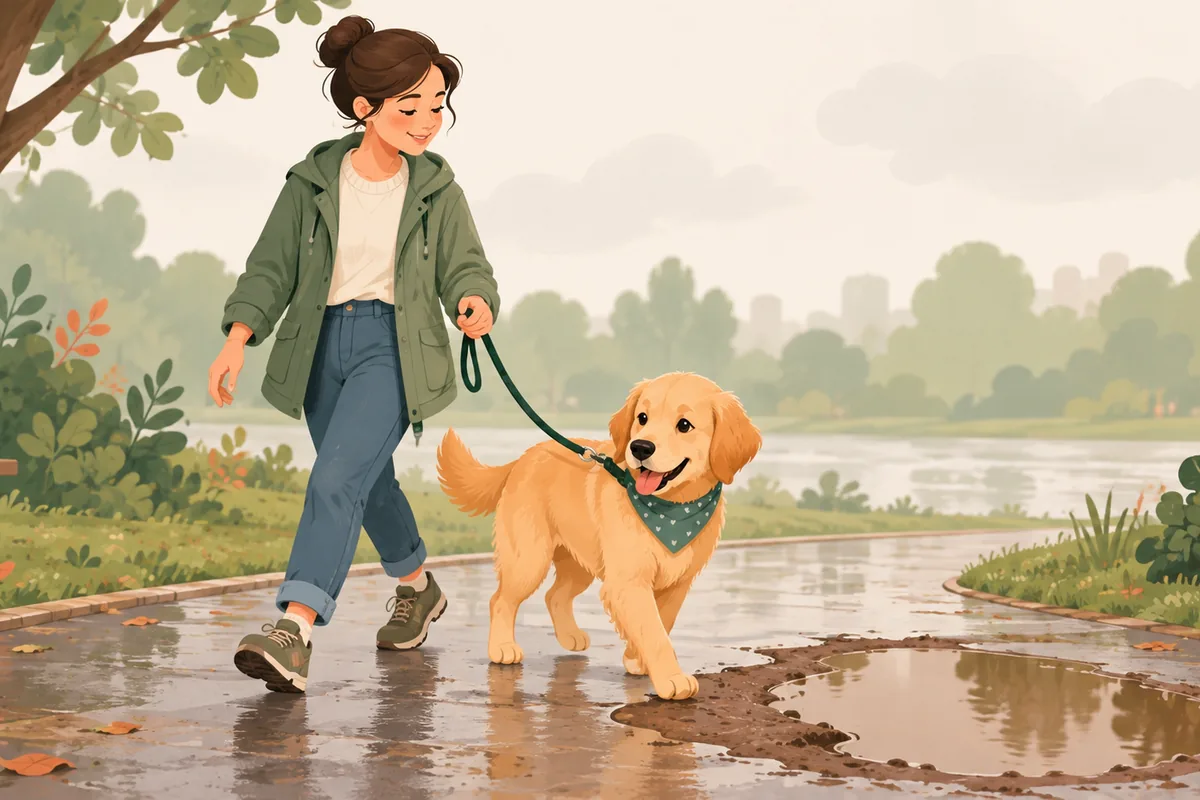
- Avoid the obvious water. Do not let your dog drink from puddles, drains or floodwater. Carry water on walks so your dog is not thirsty enough to try.
- Walk around, not through. Keep your dog on a lead near flooded paths and stagnant water.
- Wash and dry paws after every wet walk. Rinse off mud and floodwater, then dry well between the toes. Constant damp there also causes skin infections.
- After a flood, treat all outdoor water as contaminated. No swimming or puddle drinking for at least a week.
- Control the environment. Cover standing water at home, manage rubbish that attracts rodents, and dry out wet corners of a garden.
Signs to take seriously in season
Fever, lethargy, vomiting, loss of appetite, reluctance to move or changes in urination during the wet months deserve a prompt vet visit. The Merck Veterinary Manual notes that sudden kidney disease is the most common pattern, and that yellow gums, skin or eyes can mean the liver is affected. Tell your vet about any floodwater or puddle contact you know about. Early treatment matters.
Where Maggie fits
Maggie’s regional risk profile builds a seasonal hazard calendar for your climate zone, with zone-level, vet-approved calendars for India, the United States, the United Kingdom, Canada, Australia and Singapore. During your region’s lepto season the risk card says so, and, crucially, it is checked against your dog’s actual dose history: “high season, and Bruno’s last lepto dose was 11 months ago” is a very different sentence from a generic seasonal warning. Tap Ask Leo on the card and the chat opens already scoped to that hazard, with one-tap options to log a dose or set the booster reminder.
Leo is an AI companion, not a veterinarian. If you suspect leptospirosis, see your vet promptly; early treatment matters.
Frequently asked questions
Can dogs get leptospirosis from puddles?
Yes. Puddles, floodwater and stagnant drains can hold the urine of infected rats and other animals. Dogs catch it by drinking or wading in that water, or through cuts in the skin.
When should my dog get the lepto vaccine in India?
Before the monsoon, usually in April or May, so protection is fresh when the rains start. Your vet sets the exact date.
How often does a dog need the leptospirosis vaccine?
Every year, because protection lasts about 12 months. A dog that has never had a lepto dose needs two doses, 2 to 4 weeks apart, the first time.
Can humans catch leptospirosis from a dog?
It is possible but rare. People usually catch it from the same contaminated water or soil. Vaccinating the dog and avoiding floodwater protects the whole household.
What are the signs of leptospirosis in dogs?
Fever, lethargy, vomiting, loss of appetite, reluctance to move and changes in how much the dog urinates. Yellow gums or eyes are a sign of liver damage. See your vet promptly if you notice these in the wet season.
Care for your dog with Maggie & Leo
Keep your family's health records, vaccines, weight, and reminders organised in one calm place. Ask Leo for careful AI guidance grounded in your dog's real history. Free to start.
Related guides
-
Lyme season in the Northeast: what tick months mean for your dog
When is Lyme season for dogs in the US Northeast? Tick risk peaks from April to June and again from September to November. Prevention, vaccine and signs.
-
The 3-year rabies vaccine: what the label means for your dog's record
Is your dog's rabies shot good for 1 year or 3? The product label decides. How the US schedule works, the first-year booster rule and what to keep on record.
-
Autumn tick season: why the risk doesn't end with summer
Tick season does not end in September. In the US and the UK ticks stay active into November. Why autumn is a peak, and how to keep your dog protected.